
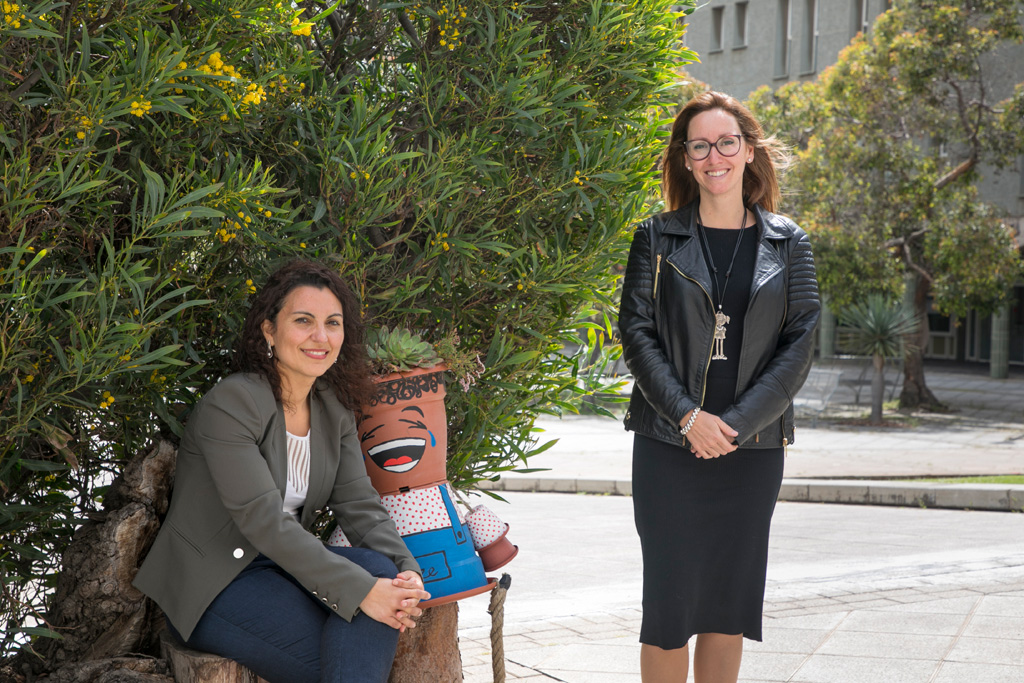
Researchers from the University of La Laguna (ULL) link empathy and emotional exhaustion in the healthcare context
The pandemic of COVID-19 has exerted extraordinary pressure on hospitals and has accentuated the need to deal with the emotional well-being and the problems related to the stress of the health professionals.
Before this critical period, there were already health problems among health professionals, who day after day are faced with very complex situations emotionally: disease, death, and multiple forms of suffering. A study published by researchers of the University of la Laguna in collaboration with the University College of London has analyzed the effect of the components empaths and the inference of mental states of the patients with the dimensions of burnout and burnout in health professionals. The article may be found at this link.
The burnout syndrome or burn on the job is one of the most common health problems experienced by the healthcare professionals. This syndrome consists of emotional exhaustion, depersonalization towards patients who attends and lack of personal accomplishment at work. Is associated with serious health consequences such as sleep problems, irritability, anxiety, depression, and drug use.
Although it is a syndrome that is widely studied, very little is known about the relationship between empathy and the different components of burnout. Thus, while in some studies it has been identified that empathy can reduce the levels of burnout, other studies show that higher levels of empathy are associated with higher levels of burnout. In response to these inconsistencies in the previous research, this research team of the University of la Laguna has been proposed to identify which components of empathy may be associated with each of the dimensions of burnout.
Specifically, the research proposes that the relationship between empathy and burnout depends on the type of empathy that is deployment, which may be oriented towards one’s self (personal discomfort, discomfort and anxiety about the negative experiences of patients) or to the person that’s in front of us (the ability to take the perspective of the patients and show empathic concern, without experiencing anxiety or discomfort own). The general hypothesis is that the components of the empathy-oriented self is related to a higher emotional exhaustion, while the components are oriented to others is associated with higher levels of personal accomplishment and lower emotional exhaustion at work.
According to the teachers Naira Delgado and Helena Bonache, the results of this study give an account of the complex relationship that exists between empathy, inference of mental states and burnout in the healthcare context. While some components of empathy make it easier for healthcare staff to experience feelings of distress and discomfort, which is associated with the emotional exhaustion and to a lesser sense of personal achievement, other dimensions of empathy as perspective-taking and concern for others, increase the sense of personal achievement, especially when we attribute mental states to the patients.
This study explores the inconsistencies found in previous research about what is the impact of empathy in the health and well-being of healthcare professionals. Their findings indicate the need to address the multidimensional nature of empathy in the studies that analyze its impact on the health of healthcare professionals. This is the first study derived from the research project entitled Effect of the inference of mental states and the empathy in healthcare professionals: a focus on multi-method, given in the call for R+D+i, 2019, the Ministry of Science, Innovation and Universities.
The research concludes that it is essential to provide specialized training on how to manage the different components of empathy in the context of health care.
“Learn how to develop these skills accurately, on the basis of results of research is conclusive, can lead to the provision of health care more effective, impacting on the quality of life of both patients and health professionals”, they point out the researchers.